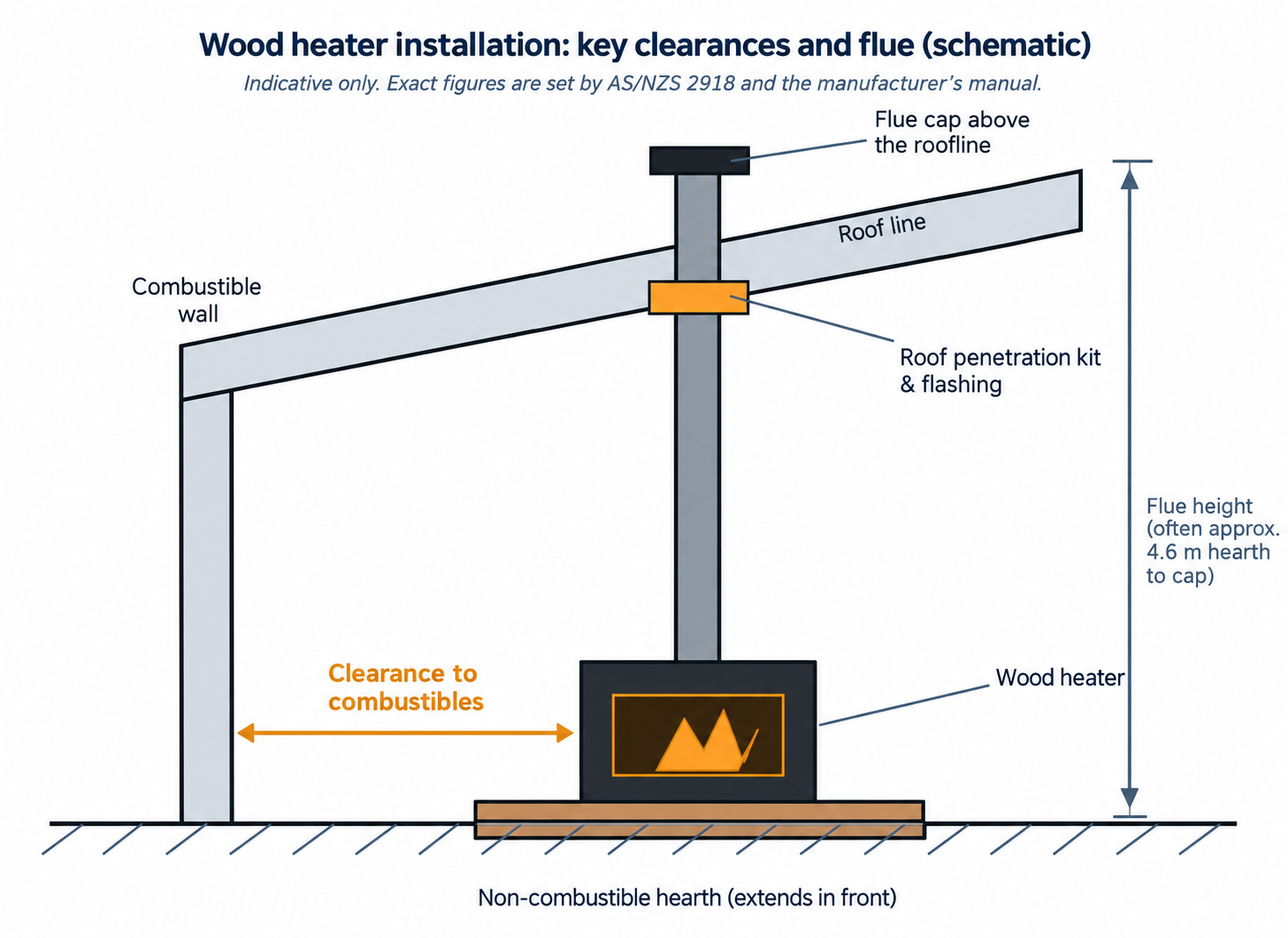
- Clearance to combustibles: Walls, furniture and timber must sit a minimum distance from the heater. Heat shields can reduce the required clearance where space is tight, which helps in smaller Bayside living rooms.
- Hearth and floor protection: A non-combustible hearth protects the floor beneath and in front of the heater from radiant heat and stray embers.
- Flue height and termination: The flue must rise to a set height and terminate a required distance above the roof so it draughts properly. Industry practice commonly points to around 4.6 metres from the hearth to the flue cap, though your exact figures depend on the roof and the standard.
- Roof and wall penetrations: Where the flue passes through the roof or a wall, purpose-made penetration kits and flashing keep the structure safe and weathertight.
These are the details a licensed installer gets right the first time, and the details a DIY job most often gets wrong.
Wood heater regulations in Victoria: permits, councils and your duties
Beyond the standards, a few local obligations are worth understanding.
- Building permits: Whether your job needs a building permit depends on the work involved. A brand new installation that adds a flue penetration and hearth is more likely to require one than a like-for-like replacement. The safest approach is to have your installer, a registered building surveyor or your local council confirm what applies before work starts.
- Your ongoing duty: Under Victoria's environment laws, wood heater owners have a general duty to minimise smoke. In practice that means burning only dry, seasoned hardwood (ideally under 20 per cent moisture), running a bright fire rather than a choked smoulder, and servicing the heater every year.
- Air quality and neighbours: On cold, still days smoke settles over Melbourne suburbs. EPA Victoria encourages households to consider cleaner heating when air quality is poor, and smoke complaints can be made to your local council.
- Insurance: Always tell your insurer once your heater is installed and keep your compliance paperwork. A non-compliant or unpermitted install can create problems with a claim and when you sell.
Servicing, gas alternatives and commercial settings
A wood heater is not an 'install-and-forget' appliance. To stay safe and efficient it should be serviced every year by a licensed Mechanical Services plumber, who will clear creosote from the flue and check for defects. Creosote is a tar-like, highly flammable build-up and a common cause of flue fires. Our
fireplace maintenance and cleaning tips explain what good upkeep looks like between services.
Thinking about gas instead? Gas log fires and gas heaters are regulated separately, under
Energy Safe Victoria, and must be installed by a licensed gasfitter to the gas installation standard.
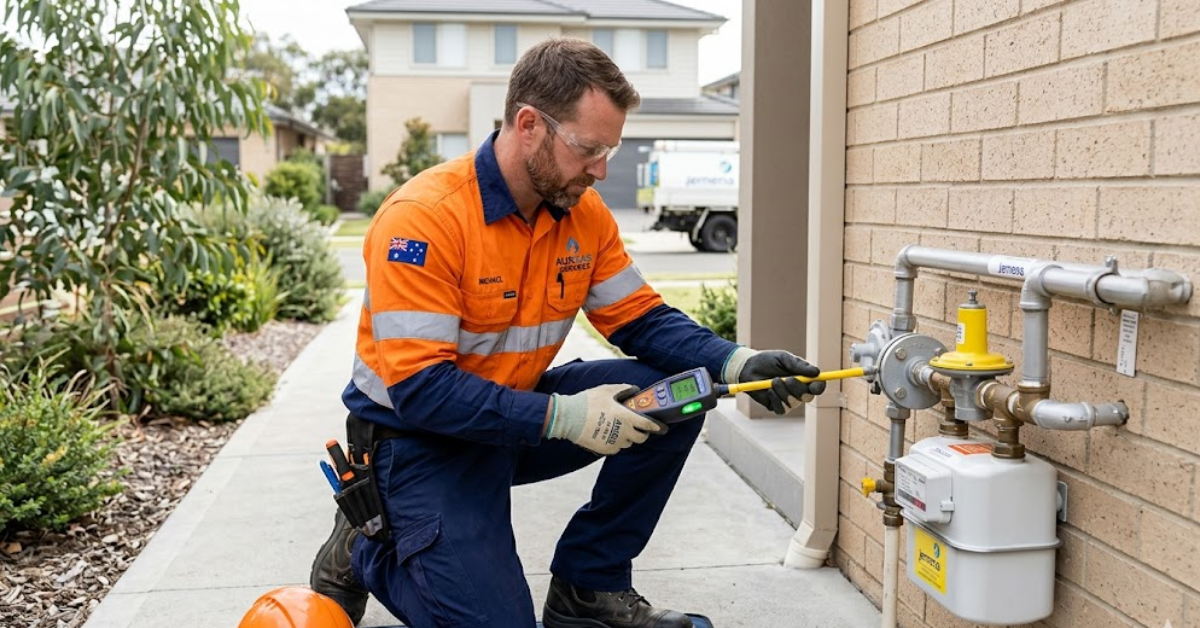
Safety warning: Never attempt gas work yourself. Unlicensed gas work is illegal and dangerous, with risks of leaks, fire and carbon monoxide poisoning. Our
gas fitting team is fully licensed for this work.
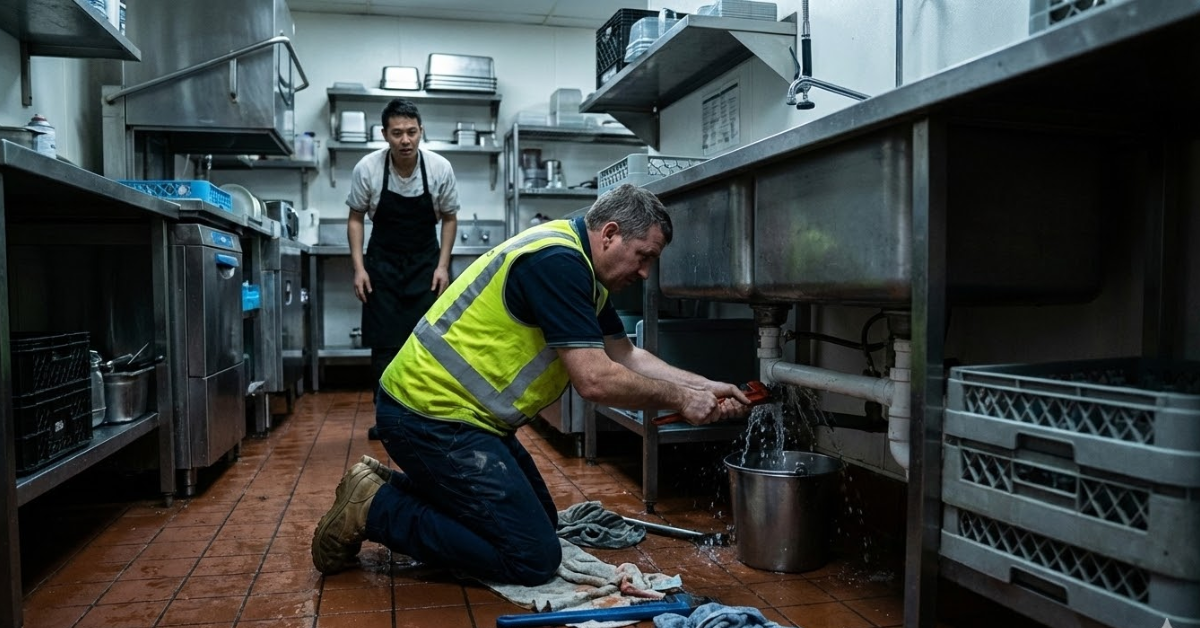
For cafes, restaurants and other businesses the stakes are higher again. Faulty commercial gas appliances are a safety and compliance issue, as we cover in our guide to
commercial plumbing and gas fitting maintenance. Whether it is
commercial or
domestic plumbing, the same rule applies: licensed work protects you.
When to DIY and when to call a professional
Wood heaters draw a firm line between what you can safely do yourself and what the law requires a professional to handle.
Safe to do yourself:
- Choosing a heater that suits your room size
- Sourcing and stacking dry, seasoned firewood
- Cleaning the glass and ash pan
- Keeping the area around the heater and flue clear of anything combustible
- Booking your annual service
Leave to a licensed professional:
- The installation itself, including clearances, hearth and flue
- Any roof or wall penetration
- Moving or replacing an existing heater
- All gas work, without exception
The pattern is simple: day-to-day care is yours, and anything involving the flue, the structure of your home or gas needs a licensed tradesperson. This is where experience counts.
“Almac Plumbing is owned and operated by Al McLean, a qualified plumber and gasfitter with more than two decades of experience across residential and light commercial plumbing. Based in Bayside, Al has built a reputation for taking on the jobs that others won't, particularly complex gas and woodfire installations. His problem-solving approach, clear communication, and attention to detail have earned the trust of homeowners and builders alike.”
-
Al Mclean, Owner, Almac Plumbing
That reputation is built one careful installation at a time, and it is why Bayside homeowners and builders keep calling Almac Plumbing back.
Frequently asked questions
Can I install a wood heater myself in Victoria?
No. It must be done by a plumber licensed in Mechanical Services. There is no legal DIY pathway, and an unregistered install can void your insurance.
Do I need a building permit for a wood heater?
It depends on the job. New installations with a flue penetration are more likely to need one than like-for-like replacements. Ask your installer, a registered building surveyor or your council to confirm.
How much does wood heater installation in Melbourne cost?
It varies with the heater, the flue run, roof access and clearances, so there is no single price. A licensed installer can quote after assessing your home.
Can I use a second-hand wood heater?
Only if it meets current Australian Standards and carries a compliance plate. Many older units do not, and reputable installers will not fit non-compliant heaters.
How often should a wood heater be serviced?
Every year, by a licensed Mechanical Services plumber, to clear creosote and check the flue for defects.
What wood should I burn?
Dry, seasoned hardwood under about 20 per cent moisture. Wet or treated timber creates heavy smoke and dangerous flue build-up.
Are there days I should not use my wood heater?
On poor air quality days EPA Victoria urges households to avoid burning and use cleaner heating. Always burn responsibly to limit smoke over your neighbourhood.
Get your wood heater installed the right way
Wood heaters are a wonderful way to warm a Melbourne home, but Victoria's wood heater regulations exist for good reason. The appliance must be compliant, the installation must meet AS/NZS 2918, and the work must be done by a licensed professional. Do it properly and you get years of safe, efficient warmth with no insurance worries.
With more than two decades of experience, full licensing and insurance, Almac Plumbing takes care of the compliance so you can simply enjoy the fire. From your first question to final sign-off, we handle
woodfire installations across Bayside and Melbourne.
Ready to get started?
Contact Almac Plumbing today for honest advice and a professional installation you can trust.