Not every faulty toilet needs to be torn out. Repair is usually the right call when:
- The unit is less than 8 years old and still under WELS-rated dual-flush certification
- The fault is single and identifiable, such as a worn flush valve, faulty inlet or cracked seat
- The pan and cistern have no structural cracks
- The repair cost sits below roughly 30 percent of full replacement
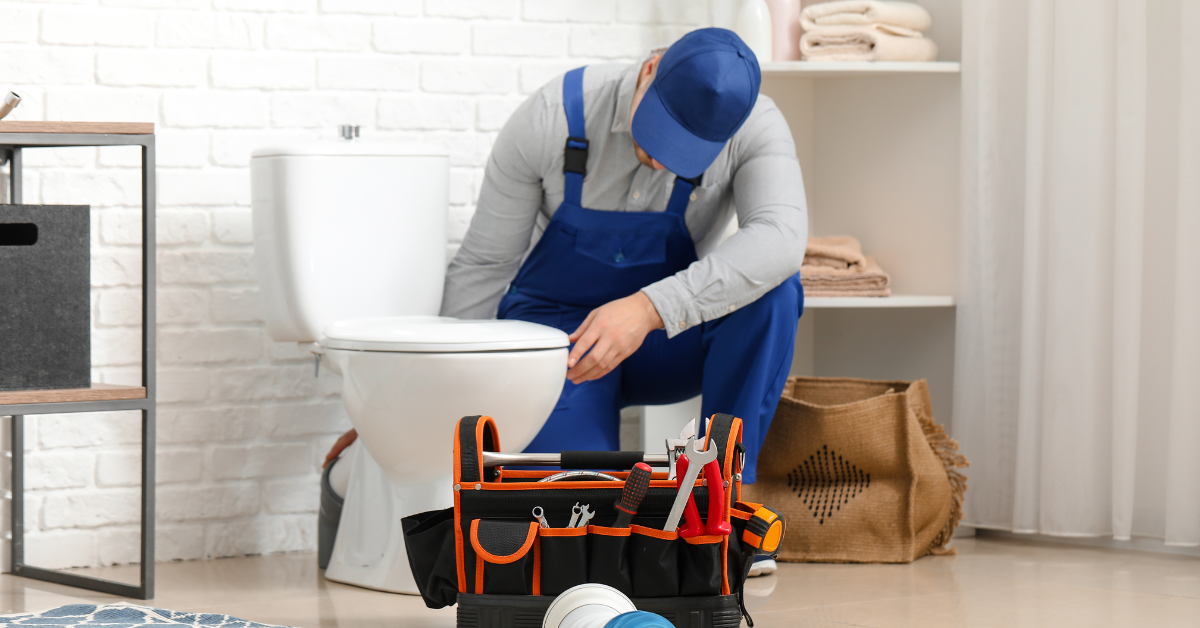
Most of these jobs come down to swapping seals or washers, replacing the inlet valve, retorquing the pan-to-floor connection and resetting the wax ring. A licensed plumber can usually complete the work inside an hour.
The Victorian Building Authority requires that any work on a fixed plumbing fixture, including toilet repairs, is carried out by a VBA licensed plumber. DIY swaps on internal cistern parts are tempting, but pan removal and waste connections are not legal for unlicensed hands.
When Replacement Is the Smarter Call
Replacement starts to make financial sense when:
- The toilet is more than 10 to 12 years old
- You have had repeat callouts in the past 12 months
- It is still a single-flush 9 to 12 litre system (these waste enormous volumes of water)
- The pan or cistern is cracked, rocking or weeping at the base
Modern dual-flush units that comply with the Plumbing Code of Australia use as little as 4.5 litres on the full flush and 3 litres on the half. For a five-cubicle bathroom flushing 400 times a day, that drop in water use can shave real money off your bill within the first quarter and pay back the install cost surprisingly fast.
Toilet Installation for High-Traffic Sites
Specifying the right toilet for a commercial bathroom is not the same as choosing one for home. The priorities shift to durability, hygiene and ease of cleaning. When planning toilet installation across a busy site, look for:
- Dual-flush 4.5/3L WELS-rated cisterns to meet water efficiency targets
- Wall-faced or wall-hung pans, which speed up cleaning and reduce floor-line germ traps
- Concealed in-wall cisterns to limit vandalism and tampering
- Sensor or touch-free flush units in high-footfall sites such as gyms, clubs and venues
- Backflow prevention devices where required by your local water authority
- WaterMark-certified products, which is mandatory under the WaterMark Certification Scheme
Pipework matters just as much as the fixture. Many older Bayside sites still run cast iron stacks with undersized or partially collapsed waste lines. Upgrading to correctly sized PVC during a toilet installation is often the difference between a system that performs reliably for a decade and one that blocks every fortnight.
Compliance and Standards You Cannot Skip
All commercial toilet plumbing in Victoria must comply with AS/NZS 3500 (the National Plumbing and Drainage standards), the Plumbing Code of Australia and your local water authority's requirements. A licensed plumber must issue a Certificate of Compliance for any sanitary plumbing work, and you are legally entitled to ask for it.
Keep the paperwork on file. Insurers, future buyers, council inspectors and even your landlord may ask for it years after the work is done. Without it, a future fitout or sale can be delayed while you try to track down who did the original install.
Warning Signs: When to Call in Professional Plumbers
A few red flags should trigger an immediate call to a licensed plumber rather than another round of DIY tinkering:
- Ghost flushing: the cistern refills on its own when no one has used the toilet. Usually a leaking flush valve and silent water loss.
- Water pooling at the base: a failed wax ring or cracked pan, both of which leak sewage and grow mould inside the floor structure.
- Repeated blockages within weeks: a sign of a damaged waste line, root intrusion or a sag in the pipe under the slab.
- Rocking pan: bolts have loosened or the floor below has rotted.
- Slow or weak flush despite a full cistern: blocked rim jets or a partially collapsed waste line.
- Sewer smells in the bathroom: a dry or cracked trap, or a broken vent line.
- Water bill creeping up with no change in use: almost always a leaking toilet.
If your business is mid-trade when one of these strikes, our guide on emergency plumber Cheltenham after-hours business triage walks through what to shut off and who to call first.
The Almac Plumbing Approach
With more than 25 years across the Bayside area, the team at
Almac Plumbing has fitted, repaired and replaced thousands of commercial toilets. We are fully VBA licensed and insured, and every job leaves with a Certificate of Compliance. You can see the full scope of our work on our commercial plumbing service page.
What sets the work apart on commercial sites:
- Honest repair-versus-replace advice based on age, cost and downtime, not on what is easiest to upsell
- Out-of-hours toilet installation so your business stays open through the changeover
- Standard parts inventory, meaning a faulty inlet on Monday is fixed Monday, not after a three-day parts wait
- Pre-work pipework assessment, so blockages that look like toilet faults but are actually waste-line issues are picked up before re-installation
Whether you need a one-off repair, a phased rollout across multiple cubicles, or a full bathroom refit, the same plumber bayside businesses already trust handles your commercial fit-out from start to finish. For broader works outside the bathroom, see our general plumbing and domestic plumbing services as well.
Get the Right Result the First Time
Good commercial toilet plumbing is the difference between a bathroom that quietly serves your customers for years and one that costs you trade every other week. Knowing when to repair, when to replace and what to specify for toilet installation in a high-traffic site puts you in control of the decision rather than reacting to the next overflow.
For a no-pressure assessment from a plumber Cheltenham businesses have relied on for over two decades, contact Almac Plumbing on
0418 517 797. You will get straight answers and a clear quote, with no upsell.